F&B reinstatement in Singapore: what landlords require when a restaurant closes

Jeff Kang
The lease is ending, the kitchen is still full of ducting, pipes and equipment, and the landlord expects the unit back in its original condition. F&B reinstatement in Singapore is harder than a retail handover because a working kitchen ties into gas, water, waste, exhaust and electrical systems that all need to be disconnected and made safe. This guide explains what landlords usually require from a closing restaurant, cafe or food kiosk, and the order the work follows. If you would rather hand the job over, our F&B reinstatement services cover every step below.
What landlords require for F&B reinstatement in Singapore
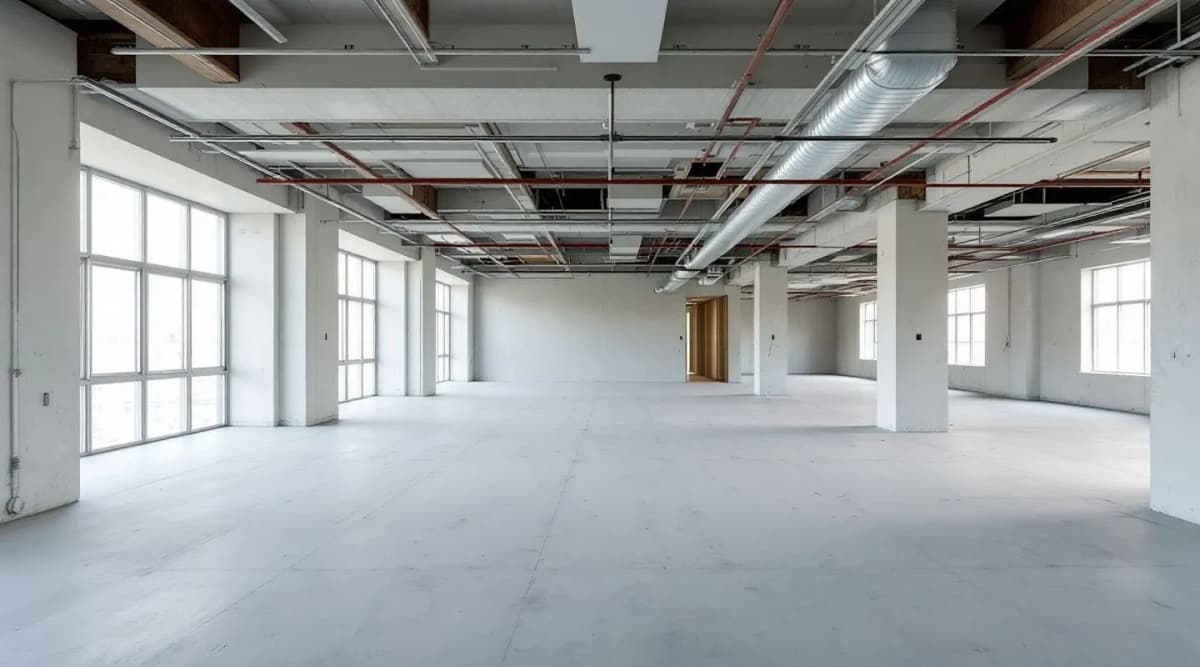
At lease end, the landlord expects the unit returned to the condition your tenancy agreement sets. For an F&B tenant, that normally means the kitchen installations come out and the unit is left clean, safe and repaired.
The requirement areas are similar from one landlord to the next, even though the wording differs:
- Kitchen exhaust and ducting
- Grease trap and drainage
- Wet areas, including floor and waterproofing
- Gas lines and other services
- M&E (mechanical and electrical): electrical, lighting and power points
- Floors, walls and ceiling
The handover date is fixed. Items that are missed can be charged back to you or deducted from your security deposit, so the work should be planned around that date rather than around the day you stop trading. Your landlord or mall management can tell you which of these areas it checks and how. Start by reading the reinstatement clause, then ask for the landlord's requirements in writing. We have carried out reinstatement works since 2015. As general advice, get the landlord's expectations in writing before the first item is removed, so nothing surprises you at inspection.
Why restaurant reinstatement costs more than retail
Restaurant reinstatement costs more than a shop handover because there is more to disconnect, remove and repair. We do not quote from a rule of thumb, since two kitchens of the same size can need very different work. The main cost drivers are:
- More services to make safe. A kitchen has gas, water, waste, exhaust and heavier electrical loads. Each has to be isolated before anything is removed.
- More trades. Plumbing, waterproofing, M&E, ducting, flooring and disposal all come into one job, so there is more coordination.
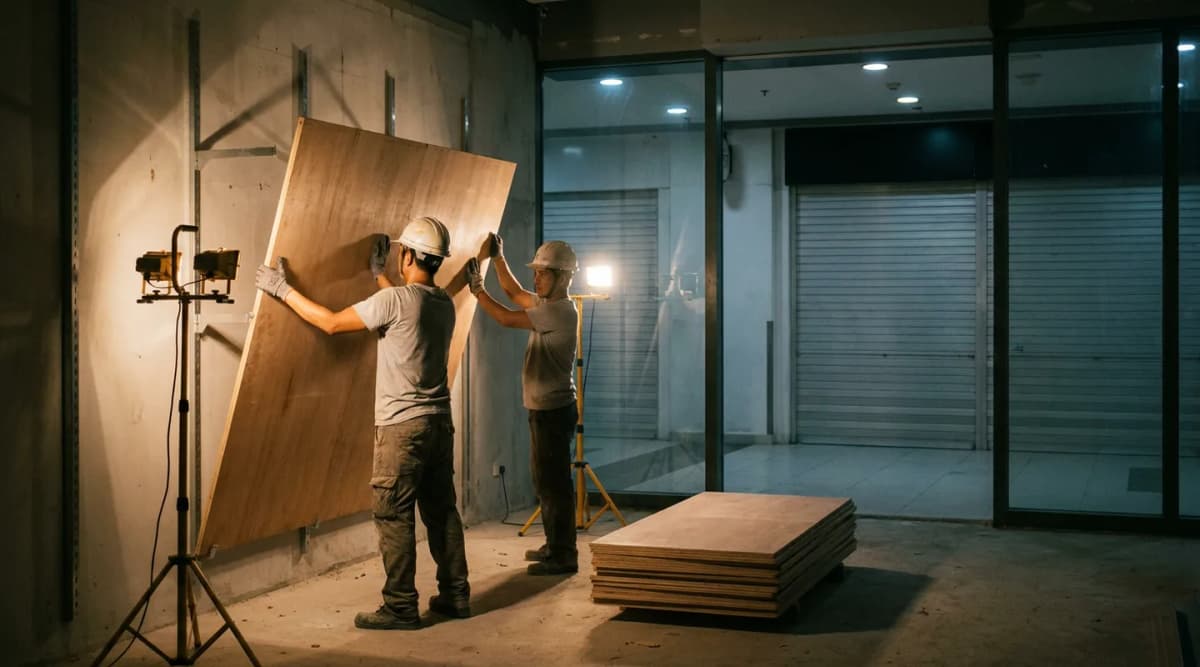
- Heavier, bulkier removal. Cooking lines, hoods, exhaust ducting, counters and specialty flooring produce a large volume of debris to carry out and dispose of.
- Wet areas. Floors and waterproofing often need repair and checking after fit-out works disturbed them. Retail units rarely have this.
- Access and timing. Mall works windows, after-hours or night-only work, and lift and loading-bay use all affect the schedule and the price.
The trades also depend on each other. The plumber cannot finish until the exhaust and counters are out of the way, and the floor cannot be checked until the equipment is gone. A single scope that sequences them tends to run more smoothly than several separate quotes. Every one of these drivers is confirmed at a site visit. If you want to see how the retail side compares, read our shop reinstatement checklist.
Choose an F&B contractor and fix the scope
A clear scope protects you at inspection and keeps quotes comparable.
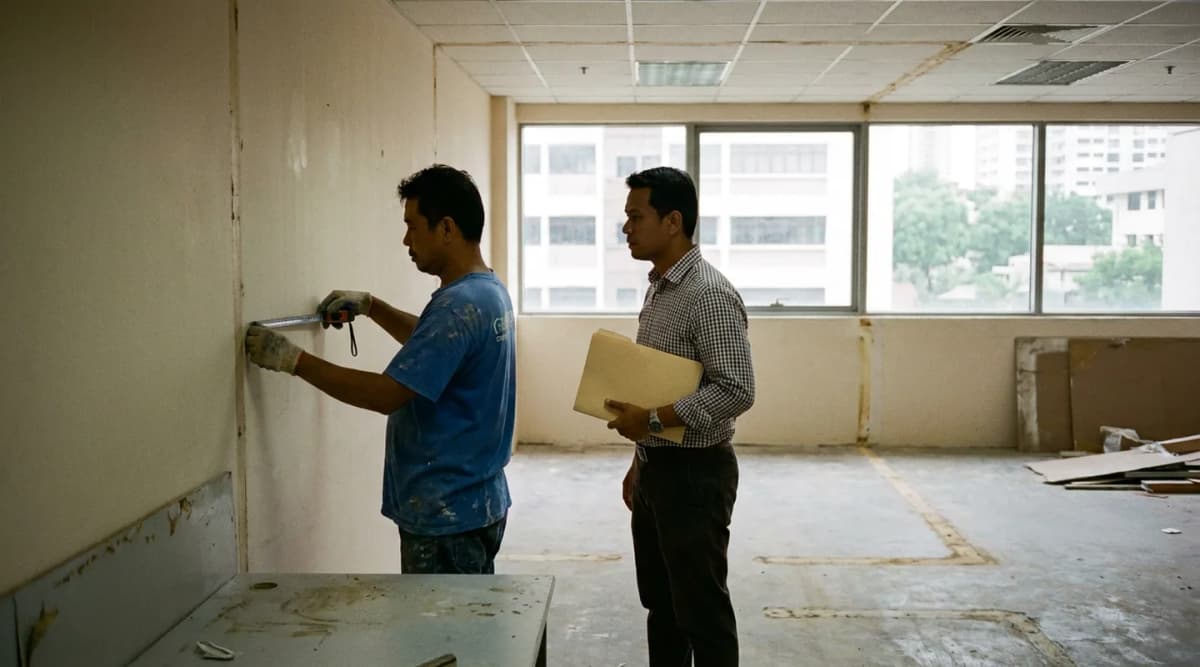
- Book a site visit before accepting any quote. A price given without seeing the unit tends to miss items above the ceiling or under the flooring.
- Compare itemised scopes, not lump sums.
- Ask the landlord or mall management for its written reinstatement requirements and give them to the contractor.
- Check that one scope covers every trade, including disposal.
Take care with the term F&B contractor. A contractor who fits out kitchens and a contractor who reinstates them do different jobs, and only the second is focused on lease-end handover. We are a direct contractor, with no middleman, and we handle reinstatement, hacking and disposal as one scope. Request a visit through our F&B reinstatement page.
How F&B reinstatement works, in order
Restaurant reinstatement usually follows the same sequence. Working out of order often means redoing work.
- Isolate and cap utilities. Gas lines are capped by City Energy or a Licensed Gas Service Worker, and electrical work is done by a Licensed Electrical Worker, who is licensed by the EMA. Landlords may have their own rules, so confirm them first.
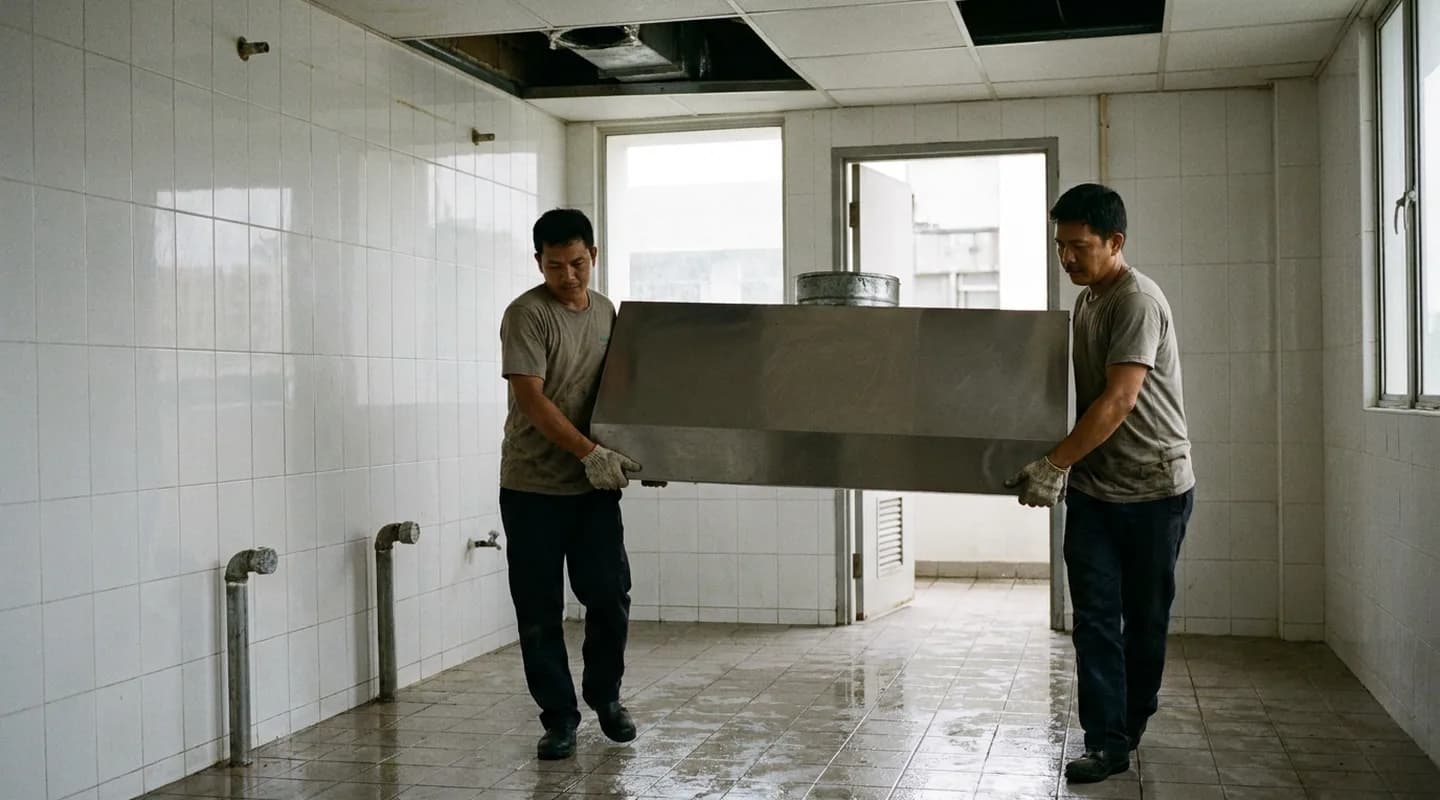
- Remove kitchen equipment and exhaust. Cooking lines, the hood and exhaust ducting come out. Whether the ducting is removed or handed over depends on the landlord's requirements.
- Clear and service the grease trap and drainage. Landlords often specify this, and lines are flushed where asked.
- Remove counters, built-in carpentry, shelving and specialty flooring.
- Check the wet areas. Where fit-out works disturbed the floor or waterproofing, it is repaired. The scope follows the lease and the landlord's standard.
- Repair walls, repaint and clean. Lights and power points are replaced where needed.
Two recent portfolio jobs show how the scope varies. For an F&B unit at East Coast Road, the recorded scope included removal of the counter and built-in carpentry, tile replacement, kitchen exhaust servicing, desilting of the grease interceptor, flushing of the sewer line, wall repair, whole-unit cleaning and painting, and replacement of spoilt lights and power points. For an F&B unit at Conservatory Drive, the recorded scope was removal of fixtures and the raised vinyl flooring, removal of electrical cables, and removal of water piping, the water meter and the waste pipe, sealed off with end caps and followed by paint touch-up.
Both were F&B reinstatement jobs, yet the lists differ: one centres on kitchen servicing and drainage, the other on stripping out services and sealing them off. That is why it helps to scope each unit on site against the tenancy agreement and the landlord's requirements. Record only what the job involved, and plan the sequence so the wet-area checks and painting come last.
Mall and landlord handover checklist
Use this list in the last weeks of the lease.
- Ask mall management or the landlord what works approval, working hours and common-area protection apply. Do not assume hours; they are set by management.
- Use small unit hoarding only where required, and keep it inside your unit line.
- Walk the unit against the landlord's list before the joint inspection and record the snag list in writing.
- Close the snags, get written acceptance and keep dated photos for the deposit.
If any item on the landlord's list is unclear, ask for it in writing now. A short question in the last weeks is far easier to settle than a dispute at the joint inspection, when the handover date has already arrived and the deposit is at stake.
Frequently asked questions
What is the average cost of reinstatement per square foot in Singapore?
There is no reliable single rate. Cost depends on the kitchen installations, services to disconnect, wet-area repairs, access hours and disposal volume. We give a firm quote after a site visit, once we have seen the unit and the landlord's list, and it is itemised so you can compare it with any other quote.
Is it allowed to renovate on weekends?
It depends on where the unit is. In HDB shops, renovation is allowed from 9am to 6pm, Monday to Saturday, noisy works such as hacking only from 9am to 5pm on weekdays, and no works on Sundays or public holidays. Malls and private buildings set their own works hours, so ask management for the permitted hours before you book the contractor.
What does reinstatement mean for an F&B unit?
It means returning the unit to the condition your lease requires. For a restaurant or cafe, that usually includes removing kitchen installations and repairing what they disturbed.
Get a quote for your F&B reinstatement
Your handover date is fixed, so the sooner the scope is set, the easier it is to finish on time. Send us your enquiry with the unit details, your landlord's requirements and your handover date through our F&B reinstatement page. We reply within 24 hours on business days. For the wider process, see our guide to reinstatement works in Singapore.