Reinstatement clause in a tenancy agreement, explained in plain English

Jeff Kang
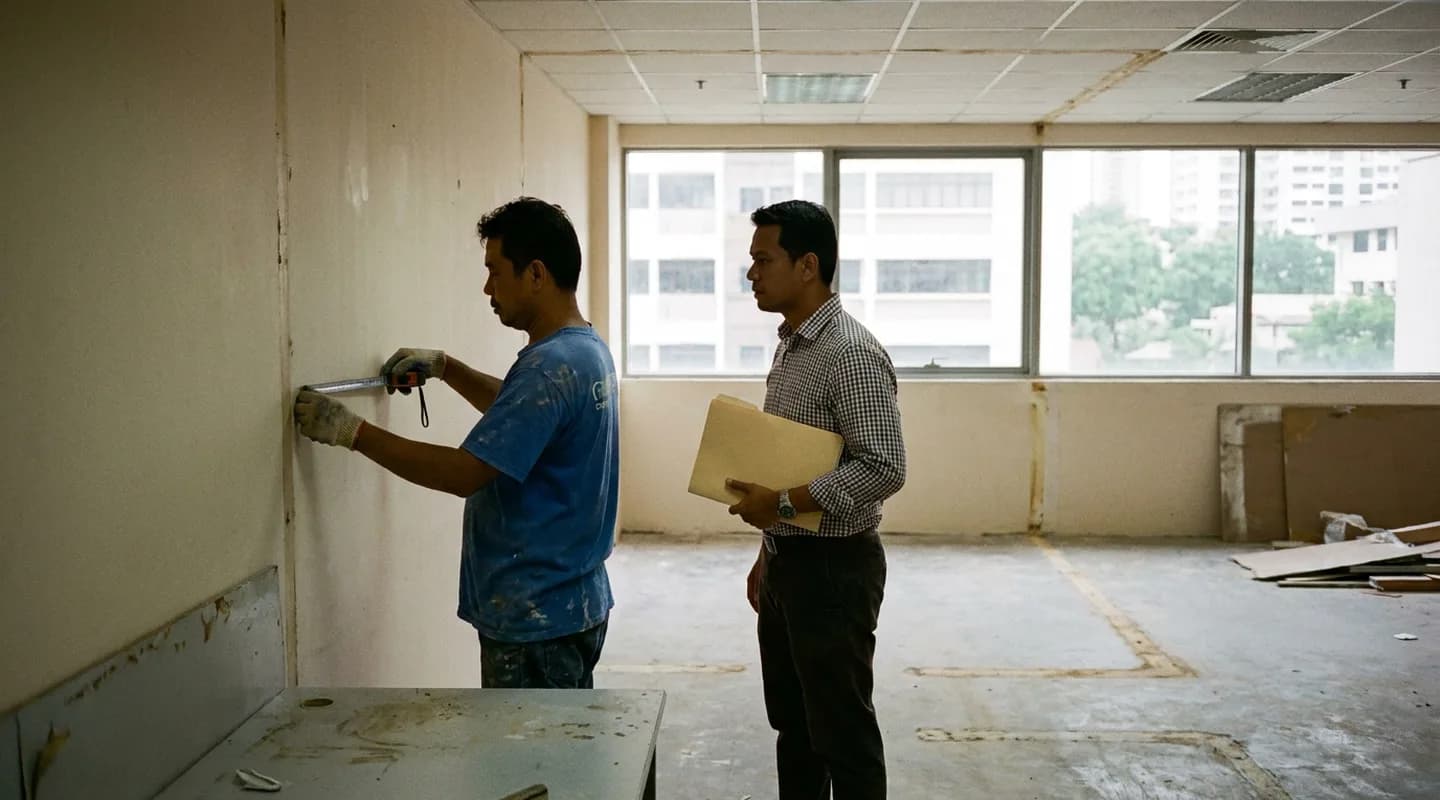
Most commercial leases end with a short clause that decides a large piece of work: return the space to its original condition. The reinstatement clause in a tenancy agreement is where that duty sits, and its wording decides what you must remove, repair and hand back. This page answers the questions tenants ask most, in plain English, for office, retail, F&B and industrial tenants nearing lease end. If you want a contractor to take the whole job, see our commercial reinstatement services.
What a reinstatement clause in a tenancy agreement does
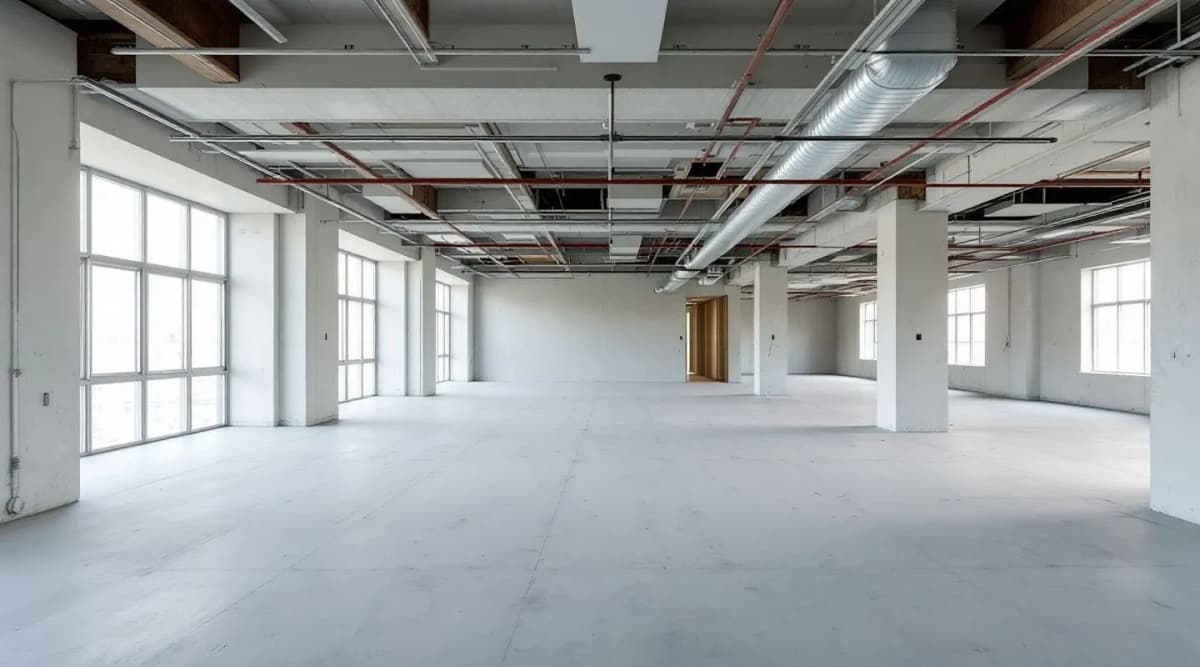
The clause sets what the tenant must hand back and in what condition. It does not usually list every item, so the wording decides the scope. One lease may ask for a bare shell. Another may ask for the landlord's base finishes to be kept or reinstated.
Because the clause is short and the work is large, tenants often read it for the first time when the lease is almost over. Read it early, since it sets the standard and shows how much time you need. Also look for related terms elsewhere in the lease, such as the schedule of condition, the rules on alterations and the notice period before handover, because they often change what the clause requires in practice. If any wording is unclear, ask the landlord to confirm it in writing before you plan the works.
Reinstatement works meaning: what does the work cover?
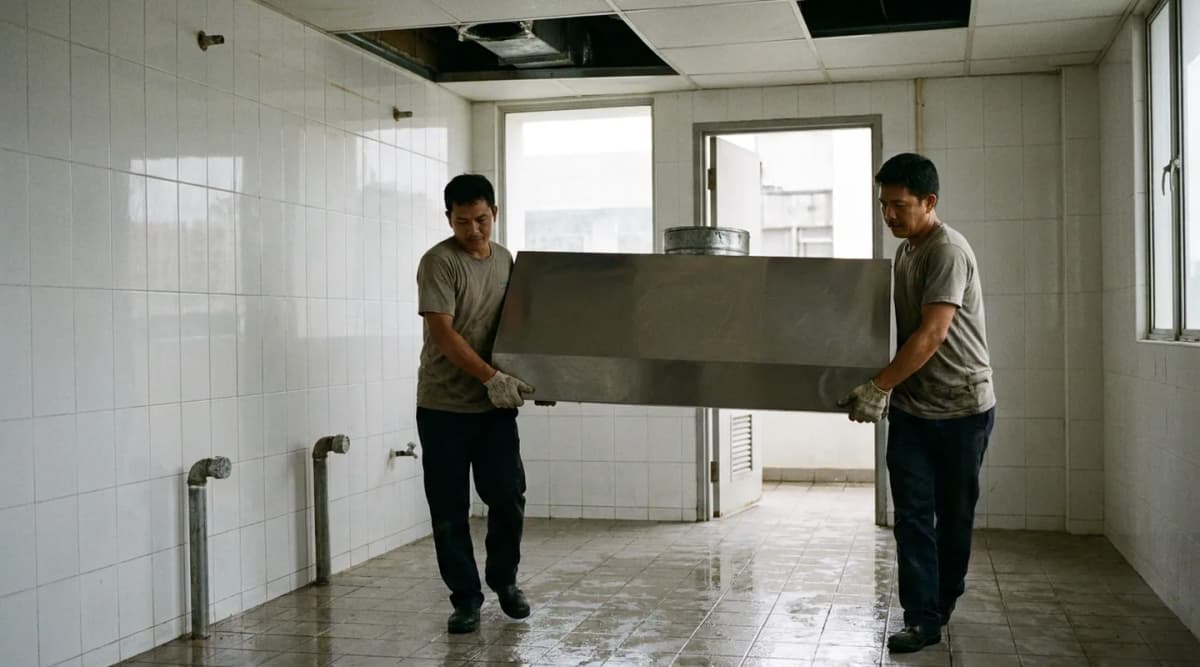
Reinstatement works return a leased space to the condition the lease requires. The term covers both the removal of what the tenant added and the repair of what that removal disturbed, so the job is more than a strip-out. It ends only when the landlord accepts the unit as meeting the lease.
In construction terms, typical examples of that work include:
- Partition and ceiling removal
- Flooring removal or repair
- Electrical and lighting removal or reset
- Signage removal
- Repainting and cleaning
In this context, reinstatement work and reinstatement works mean the same thing. The exact list for your unit comes from your lease and your landlord's requirements, not from a general list. A tenant who added a mezzanine, a pantry or a server room has a longer list than one who only added partitions and lighting, so the same phrase can mean very different amounts of work.
What does "original condition" mean in a lease?
Original condition can mean bare shell, or it can mean the landlord's base finishes. Your lease and the handover-in records decide which. Do not assume it means the unit looked the way it did on your first day, because that may include items the landlord expects you to remove.
Where to look:
- The reinstatement clause itself
- The schedule of condition, if the lease has one
- Handover-in photos
- Approved fit-out drawings
Ask the landlord for its handover requirements in writing. Many landlords and building managers have a standard list, and getting it early means the contractor can scope against the same document the landlord will use at inspection.
Does reinstate mean replace? No. It means return to the lease condition, not upgrade. Some items are replaced, such as damaged lights or power points, but only to reach that condition.
How does reinstatement work, step by step?
The process is similar for most commercial units:
- Read the clause and gather the landlord's requirements.
- Book a site visit and get an itemised scope from the contractor.
- Arrange approvals and works arrangements with the landlord or building management. Ask them for the current requirements rather than assuming hours or lead times.
- Strip out, dispose of debris, repair, repaint and clean.
- Attend the joint inspection, close the snag list and get written acceptance.
Working out of order often means redoing work, so the sequence matters. For example, repainting before the ceiling and flooring work is finished usually means painting twice, and disposing of debris late leaves the unit cluttered for the inspection. We have carried out reinstatement works since 2015 and handle removal, disposal and repairs as one scope.
What are dilapidation works?
Dilapidations, in plain English, are the ways a unit's condition falls short of what the lease requires, such as disrepair or additions that were not removed. The landlord's claim for them is called a dilapidations claim, and it is usually made at the end of the lease. Dilapidation works in Singapore are the works that address that shortfall.
The link to reinstatement is timing. If the reinstatement works are done properly before handover, there is usually less for the landlord to claim. If they are not, the landlord may do the work and charge you for it.
Tenants sometimes hear the word only when a landlord's letter arrives after handover. Doing the works first, and keeping the records, is the practical way to avoid that letter. This is general information, not legal advice. For a legal question about your own lease, check the wording carefully or ask a lawyer.
Can the landlord deduct reinstatement costs from my deposit?
Many leases let the landlord deduct the cost of unfinished works from the security deposit. The lease wording decides, so check yours.
That is why finishing the works and documenting them protects the deposit. Keep dated photos, and ask for written acceptance at the joint inspection. If the landlord raises a deduction, those records show what was done and when. The deduction depends on what is left undone, and its size depends on the scope, access and disposal, so we do not quote a figure without seeing the unit.
How do I scope the work from my lease?
Turn the clause into a room-by-room list: walls, floors, ceiling, M&E, signage, doors and cleaning. For each item, mark whether the tenant added it or the landlord provided it. Only what you added is normally yours to remove.
For an office, check the building's own handover requirements as well as the lease. Our office reinstatement page covers office handovers. Then walk the unit with your list and take photos before the joint inspection, so you can see any gaps while there is still time to close them. Note anything you are unsure about, such as a partition that may have been there from the start, and ask the landlord about it before the contractor removes it. An item removed by mistake can be harder to put back than an item left in place is to remove.
When you ask for quotes, the cost drivers are:
- Size of the unit
- Amount of fit-out to remove
- M&E to disconnect
- Timing and works hours
- Disposal volume
- How close the deadline is
Keep the list short and factual, because an itemised scope is easier to compare and easier to check at inspection. Send the list and the clause to us through our commercial reinstatement page, and we will price the scope after a site visit.
Frequently asked questions
What does reinstatement mean in construction?
It means returning a space to a defined earlier condition by removing additions and repairing disturbed areas. In a lease, that condition is set by the tenancy agreement.
What are examples of reinstatement?
Examples include removing partitions, ceilings and flooring, taking out added electrical and lighting, removing signage, repairing walls, then repainting and cleaning.
What are reinstatement works in Singapore?
Reinstatement works in Singapore are the works a commercial tenant carries out at lease end so the unit meets the landlord's requirements and the lease before handover.
Related resources
- Read our guide to reinstatement works in Singapore for the wider process across office, retail, F&B and industrial units.
- Read about the office reinstatement process for a step-by-step view of an office handover.
Get a quote for your reinstatement works
Your handover date is fixed, so start with the clause and work backwards from that date to book the site visit, approvals and works. Send us your enquiry with the reinstatement clause, unit details and handover date through our commercial reinstatement page. We reply within 24 hours on business days.