Kitchen Cabinet Removal for Residential HDB at Toa Payoh
Services Provided
Project Overview
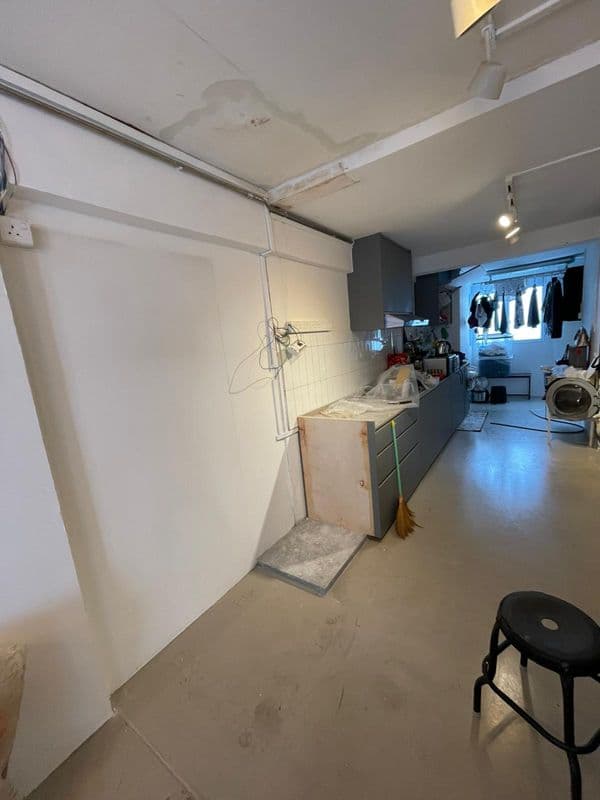
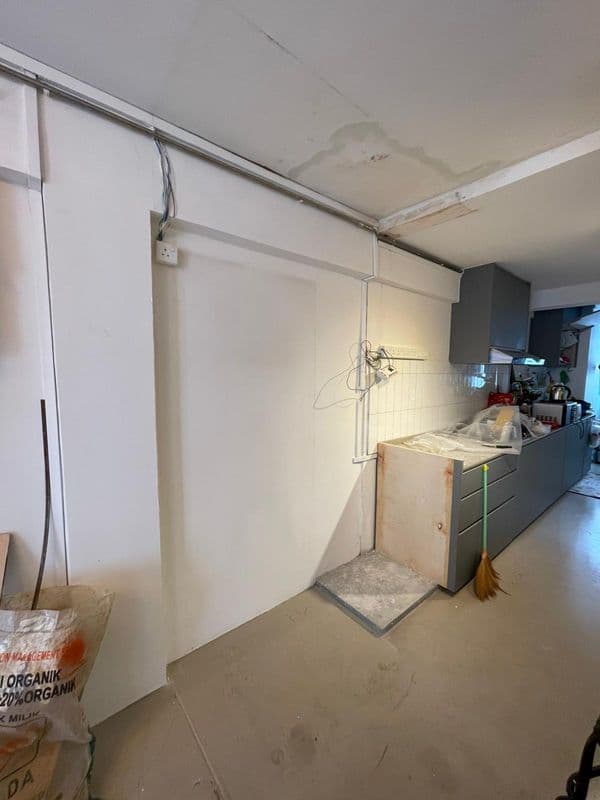
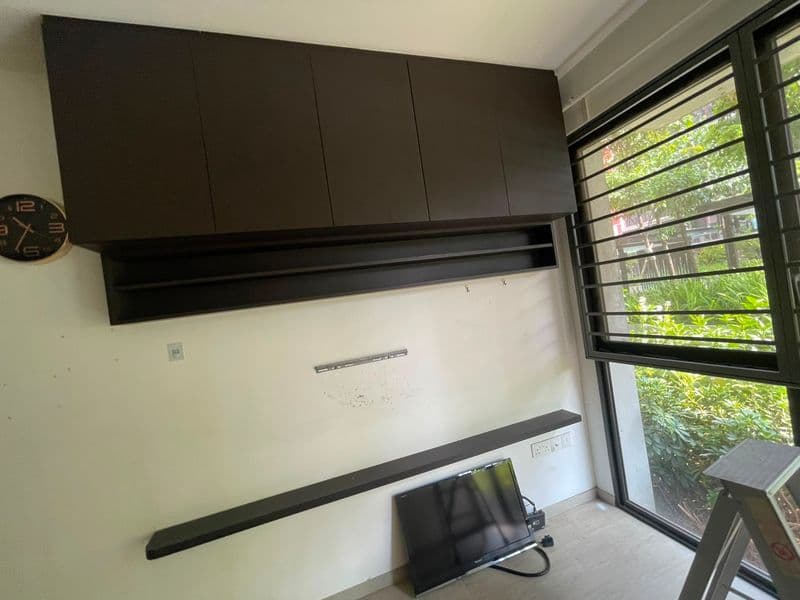
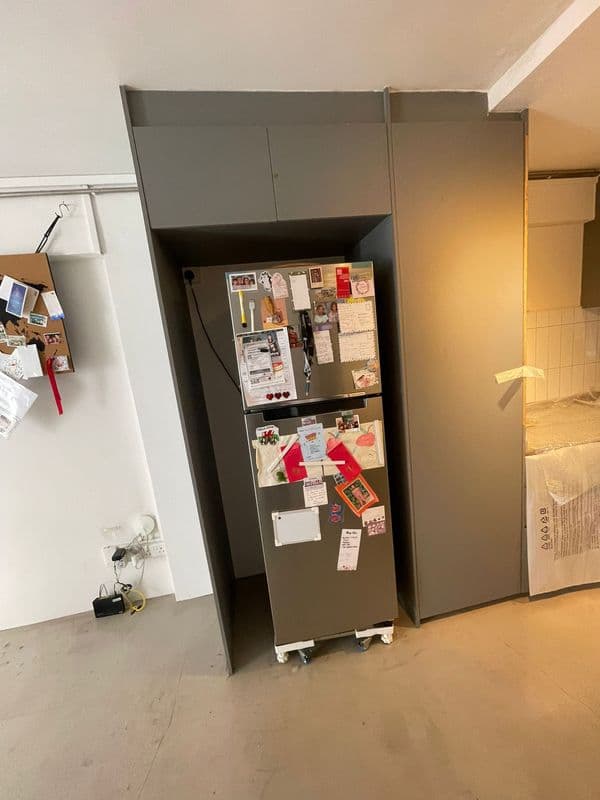
The client, an HDB homeowner in Singapore, engaged us to undertake a complete dismantling and removal of the built‑in kitchen cabinet. The existing cabinetry occupied a central wall segment, and the homeowner required a clean, vacant space to accommodate a new kitchen layout. Leveraging our specialised expertise in built‑in carpentry and kitchen demolition, we safely stripped the cabinet carcass, removed all associated fittings, and prepared the area for the subsequent fit‑out. Throughout the process we adhered to our residential work protocol, ensuring minimal disruption to neighboring units and maintaining a tidy, dust‑controlled site.
Technical Challenges
Limited Access in a High‑Rise HDB Unit
The kitchen’s location within a typical HDB flat meant narrow doorways and confined corridors. Transporting large cabinet sections out of the unit required careful staging, precise sequencing of dismantling, and the use of protective boards to avoid damaging surrounding walls and finishes.Preservation of Adjacent Finishes
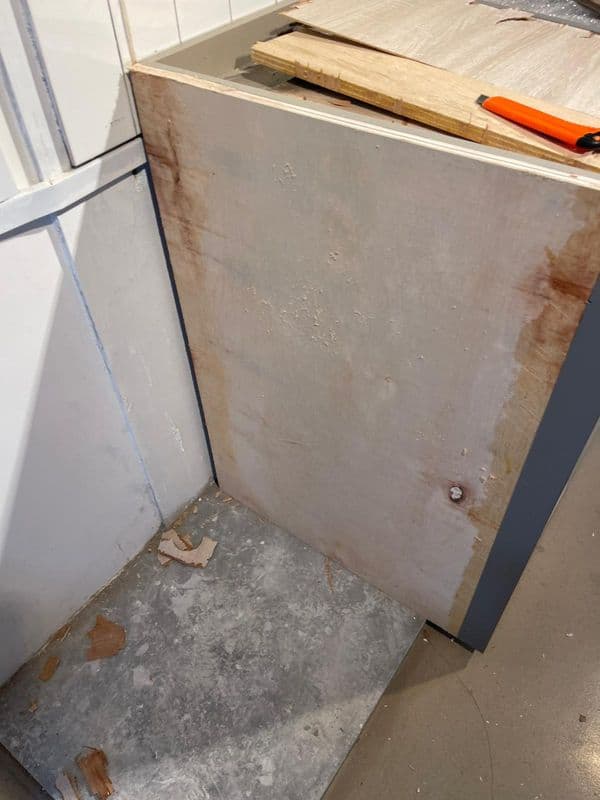
The cabinet was abutting tiled walls and a painted surface. Removing the built‑in structure without chipping tiles or scraping paint demanded meticulous protection measures, including masking boards and plastic sheeting, to contain dust and debris.Integrated Services and Concealed Wiring
The cabinet housing concealed electrical conduits and wiring that ran along the top edge. Isolating and safeguarding these services while dismantling the carcass required coordination with the client’s interior designer and careful labeling to ensure a seamless reconnection later.Dust and Debris Management in a Residential Setting
Kitchen demolition generates fine wood particles that can quickly spread in a compact unit. Implementing a comprehensive dust‑control strategy—covering floors, sealing the work perimeter, and using vacuum extraction where feasible—was essential to protect the client’s living environment and neighbouring units.
Project Considerations
Protection of Non‑Demolition Areas
We installed temporary board panels and plastic tarps along the demolition perimeter, shielding the adjacent tiled wall, countertops, and flooring from stray debris.Safety and Compliance
All dismantling activities were performed with the proper personal protective equipment (PPE) and in accordance with HDB safety regulations. Electrical wiring was de‑energised and clearly marked before any removal work began.Communication and Documentation
Progress updates, photographs, and any emerging issues were shared with the homeowner and interior designer via WhatsApp, ensuring transparent communication and rapid decision‑making.Efficient Disposal
Once the cabinet components were fully disassembled, we consolidated the wood panels, hardware, and leftover materials for prompt removal from the site, complying with Singapore’s waste‑management guidelines.
Results
The kitchen cabinet was fully dismantled and removed within the agreed timeline, leaving a clean, level cavity ready for the new design. Our meticulous approach preserved the integrity of the surrounding tiled wall and painted surfaces, eliminating the need for costly repairs. Dust levels remained low throughout the demolition, and the client reported no disturbance to neighbouring units.
By delivering precise built‑in carpentry and cabinet removal services, we enabled the homeowner to progress confidently to the next phase of their kitchen renovation. The successful execution underscores HackingSG’s commitment to quality workmanship, proactive communication, and resident‑friendly renovation practices in Singapore’s HDB environment.
Project Gallery