Renovation Debris Disposal in Singapore: Rules and Costs

Jeff Kang
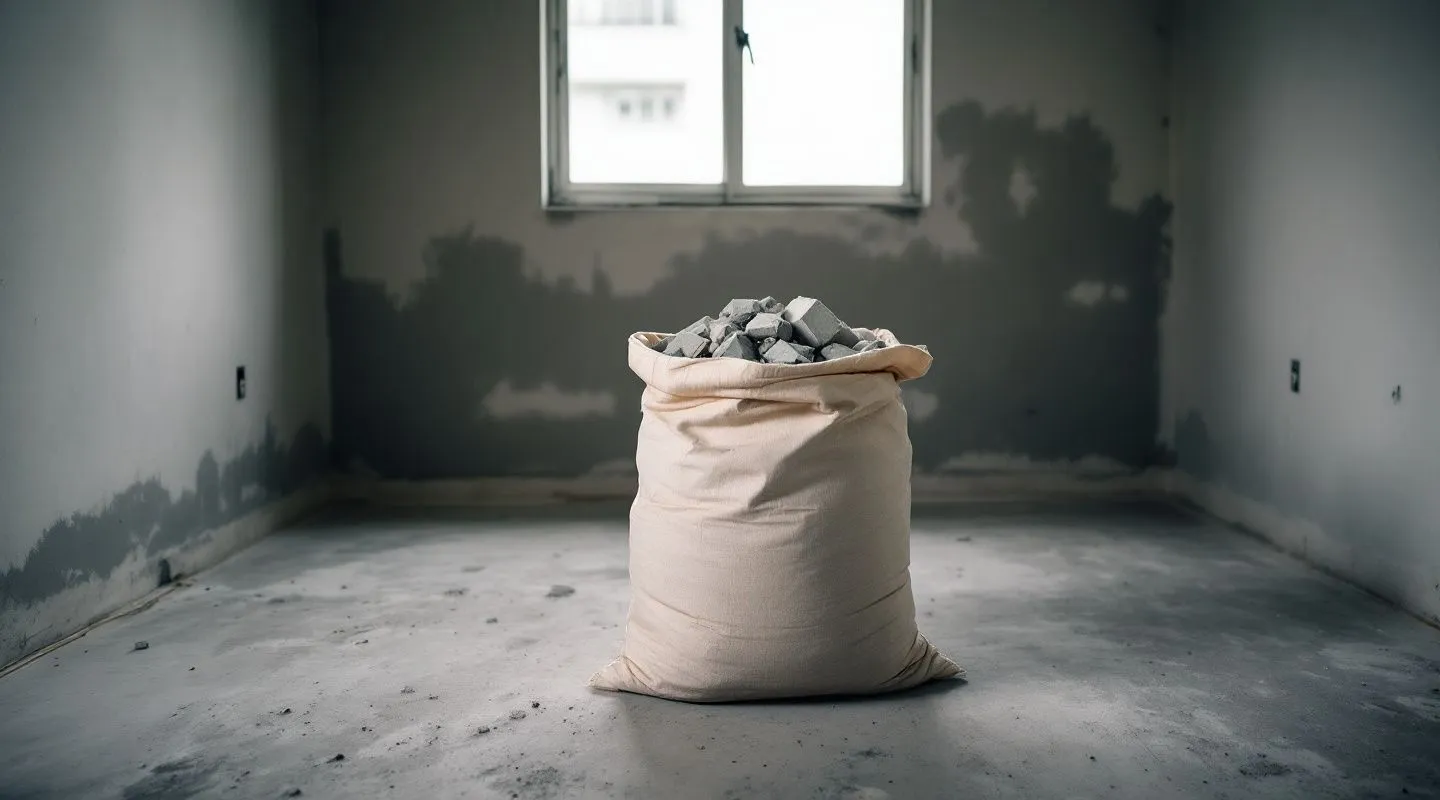
Every hacking or reinstatement job ends the same way: a pile of rubble that has to leave the property. How that debris is sorted, hauled, and disposed of is not an afterthought. It affects your compliance, your neighbours, and your final bill. We have hacked and reinstated units across Singapore since 2015, so here is a plain account of how disposal works, who is responsible, and what it costs.
What counts as renovation debris
Renovation and demolition generate a mix of waste, each behaving differently on site and at the facility. The common categories are:
- Concrete and masonry rubble from hacked walls, screed, and floor slabs.
- Broken tiles, marble, and stone offcuts.
- Timber, plywood, and dismantled carpentry such as built-in wardrobes and kitchen cabinets.
- Metal, wiring, and old ductwork.
- General bulky waste: sanitary fittings, glass, packaging, and stripped-out fixtures.
Sorting these on site matters, because clean, separated material moves faster and some of it can be recycled rather than sent to general disposal.
How each waste type is handled
Not every stream leaves the site the same way, and knowing where each one goes helps you understand the bill:
| Waste type | Nature | How it is handled |
|---|---|---|
| Inert concrete, screed, and masonry | Heavy, dense | Kept as a clean rubble stream and sent to approved inert-waste or recycling facilities where it can be crushed for reuse |
| Broken tiles, marble, and stone | Heavy, sharp | Bagged separately to protect handlers, then routed with the inert stream |
| Timber, plywood, and carpentry | Bulky, light | Dismantled flat to save lorry space; clean timber can sometimes be recovered rather than binned |
| Metal, wiring, and ductwork | Recyclable, has value | Segregated for scrap or recycling, which sometimes offsets a little of the disposal cost |
| General bulky waste | Mixed | Sanitary ware, glass, and stripped-out fixtures collected last and sent to general disposal |
A clean inert load is cheaper to tip than a mixed one, recyclable metal keeps its resale value, and separated waste loads faster. Good sorting is where most disposal savings are made.
Why proper disposal matters
There are three reasons we take disposal seriously, and none of them are optional.
First, legal compliance. In Singapore, construction and renovation waste must go to approved, licensed disposal or recycling facilities. Fly-tipping or dumping in unauthorised locations exposes the party responsible to enforcement action under NEA rules. We route all debris to approved sites and keep the chain clean.
Second, keeping common areas clear. In HDB blocks and condominiums, corridors, lift lobbies, and void decks are shared space. Debris left there blocks fire escape routes, annoys neighbours, and can trigger management or town council intervention. Scheduled clearance keeps the site tidy and the town council or MCST onside.
Third, avoiding delays. A job that stalls because debris piles up faster than it clears costs everyone time.
How disposal works in a hacking or reinstatement job
On a typical wall hacking services or reinstatement project, disposal is woven into the works rather than tacked on at the end. The sequence looks like this:
- Dismantling. Carpentry, fixtures, and finishes are stripped out first, then structural or non-structural walls are hacked. Dismantling and disposal are planned together so material is not double-handled.
- Sorting. Waste is separated on site: heavy rubble in one stream, timber and bulky items in another, recyclables where practical.
- Protection. Before anything moves, we protect the exit path so debris removal stays within building regulations and does not damage shared surfaces.
- Haulage. Debris is carried down and loaded onto lorries. Access, floor level, and lift availability all affect how long this takes.
- Disposal. Loaded lorries deliver to approved disposal or recycling facilities. This is the step that keeps the whole job NEA-compliant.
Protecting lifts, corridors, and common areas
The part clients tend to underestimate is the journey from the unit to the lorry. Every bag of rubble travels through space that other residents use, and one careless trip can dent a lift door or scratch a marble lobby floor. Before we move a load, we line the lift car, cover corridor and lobby flooring, and cordon the working area.
Most condominiums and many HDB blocks set their own rules on top of that. The MCST or building management may require a renovation deposit, restrict debris removal to certain hours, limit the service lift to booked slots, or ask that you use a nominated bin point. We check these rules before the job starts, because a protection deposit is far easier to keep than to claw back after a scratch.
Who is responsible
In most projects, the contractor carrying out the hacking or reinstatement is responsible for removing and disposing of the debris they generate. That responsibility usually covers sorting, haulage, and delivery to an approved facility. Documentation matters here: a clear scope, plus proof that waste reached an approved site, protects both sides if a question comes up later. When you engage us, disposal is part of the scope unless we agree otherwise. If you are still comparing firms, our guide on how to choose a demolition contractor covers what to check.
Tips to reduce disposal cost
Disposal is priced largely by volume, weight, and the number of lorry trips, so a few decisions can bring the figure down:
- Consolidate trips. Clearing in fewer, fuller loads beats several half-empty runs.
- Sort early. Separated waste loads faster and lets recyclable material divert from general disposal.
- Salvage what has value. Undamaged fittings, doors, or metal can sometimes be reused or sold rather than dumped.
- Plan access. Booking the service lift and agreeing loading times up front cuts the labour hours spent waiting.
- Combine works. Scheduling hacking and clearance in one mobilisation avoids paying twice for the same lorry and crew.
Cost
Costs vary with the job, so treat these as indicative rather than fixed. As a general guide:
| Item | Indicative cost |
|---|---|
| Haulage and debris clearance, per job | S$500 to S$1,500 |
| Per lorry trip, small lorry, incl. labour and compliant disposal | S$300 to S$500 |
The main cost drivers are:
- Volume and weight of waste. Concrete and tiles push the figure up.
- Number of trips required.
- Access and floor level, and whether a service lift is available.
- Distance to the approved disposal site.
- Timing restrictions imposed by the building, which can limit working hours.
A high-floor unit with heavy rubble and no lift access sits at the upper end; a small ground-floor clearance sits at the lower end. We size the lorry and crew to the actual volume, so you pay for what you use.
Frequently asked questions
Can I dispose of renovation debris myself?
You can move small amounts, but bulk renovation waste has to reach an approved facility, and most disposal sites deal with contractors rather than walk-in individuals. For anything beyond a bag or two, it is cleaner and usually cheaper to let the contractor handle haulage and disposal.
Is disposal included in a hacking quote?
Not always, so read the scope. Some quotes cover only the hacking and leave you to arrange clearance, which is where a surprise cost appears. Ask before you sign. When you engage us, our dismantling and disposal services fold clearance into the scope unless we agree otherwise.
How long does clearance take?
It depends on volume, floor level, and lift access. A small unit can be cleared in a single trip within a day, while a full reinstatement may need several trips over a couple of days. We plan the trips around the building's lift and timing rules so the works are not held up.
Get a quote
If you have a hacking, reinstatement, or clearance job coming up, tell us the unit type, floor, and rough scope, and we will give you a realistic disposal figure rather than a placeholder. We reply to enquiries within 24 hours on business days. Reach us at hello@hacking.sg or WhatsApp (+65) 8484 0027.