Wall Hacking Services for Residential Condo at Hougang
Services Provided
Project Overview
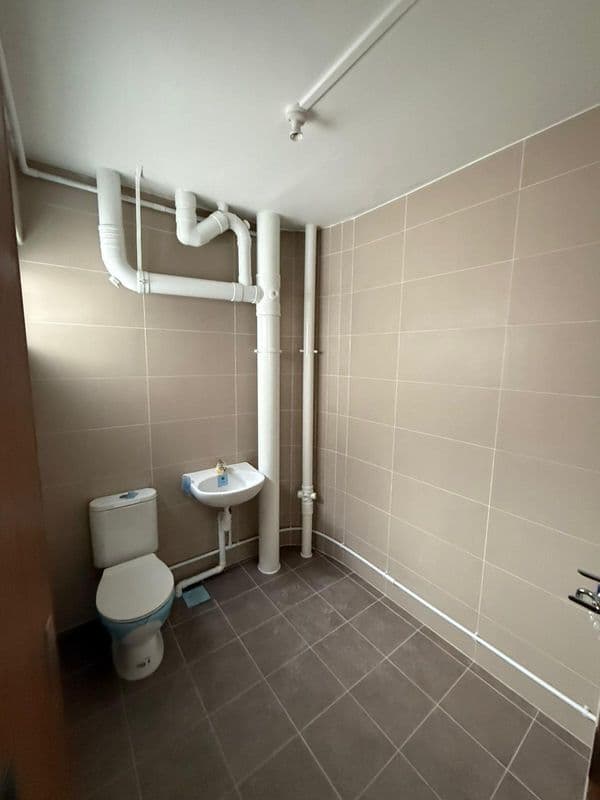
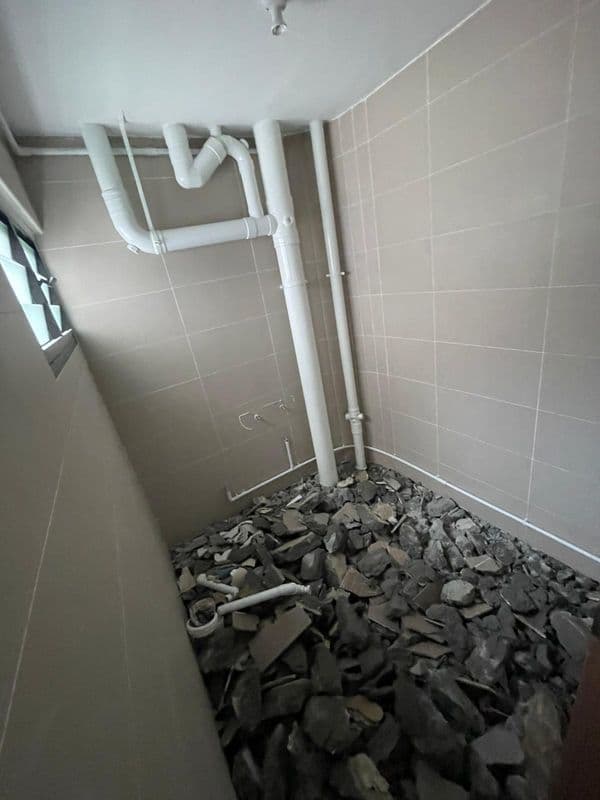
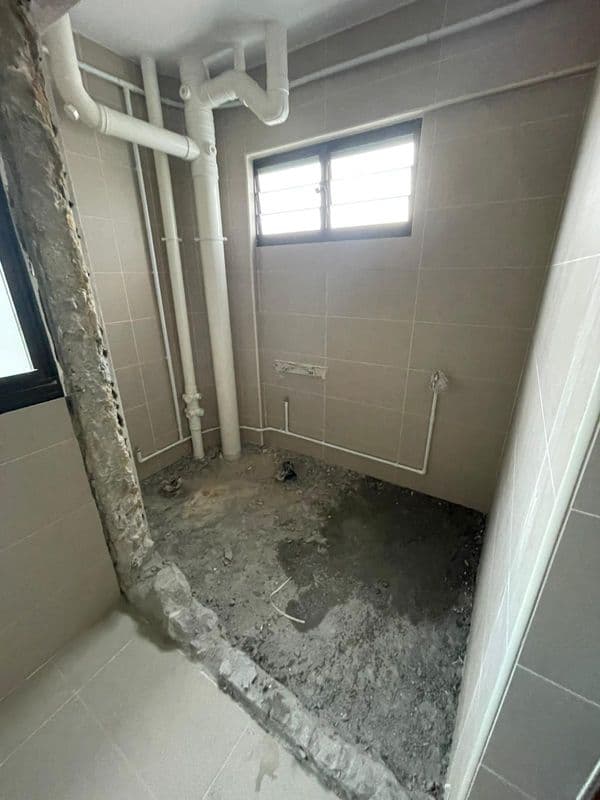
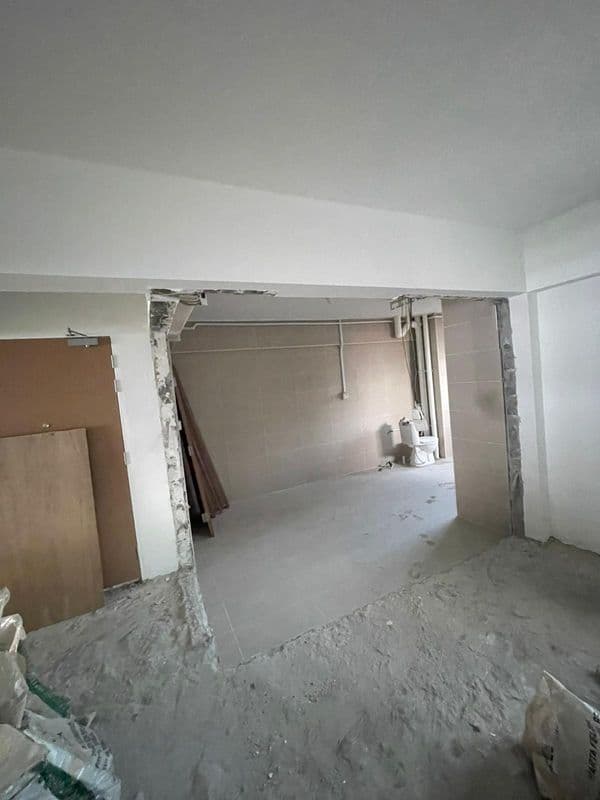
The client engaged us to completely strip and re‑configure the interior of a mid‑rise condominium unit in Singapore. The scope covered a kitchen/dining‑living zone, two full bathrooms, and an adjoining balcony/utility corridor. Our team performed wall hacking, floor and tile removal, door frame and door removal, bathroom tile & bathtub hacking, and the dismantling of built‑in carpentry and kitchen cabinets.
From the outset, the goal was to provide a clean, fully exposed structural envelope that would allow the homeowner and interior designer to redesign the layout, re‑route services, and install new finishes without the constraints of legacy fixtures. By methodically removing the existing finishes while protecting adjoining spaces, we delivered a ready‑to‑fit blank canvas that meets the client’s high‑end renovation expectations.
Technical Challenges
Selective Wall Hacking Around Structural Elements
- The kitchen area required precise cuts to expose the load‑bearing wall and service cavities while preserving the integrity of the surrounding structure.
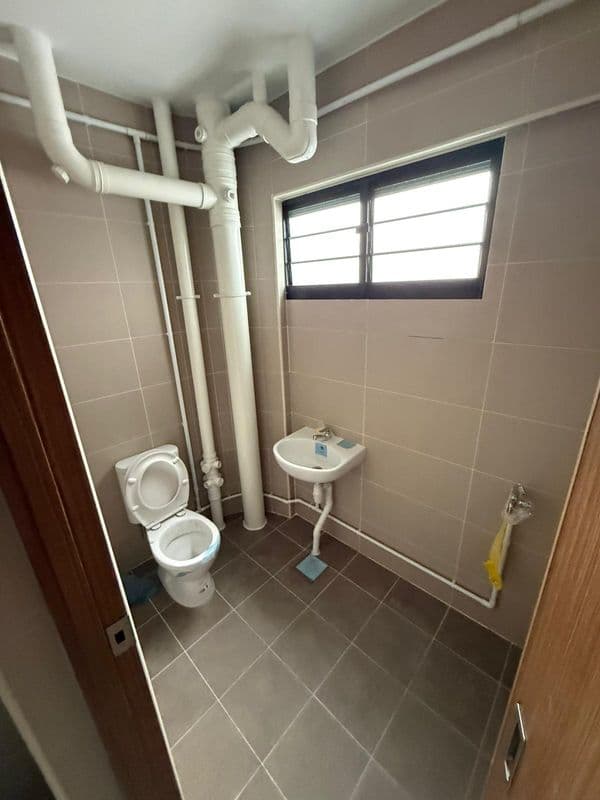
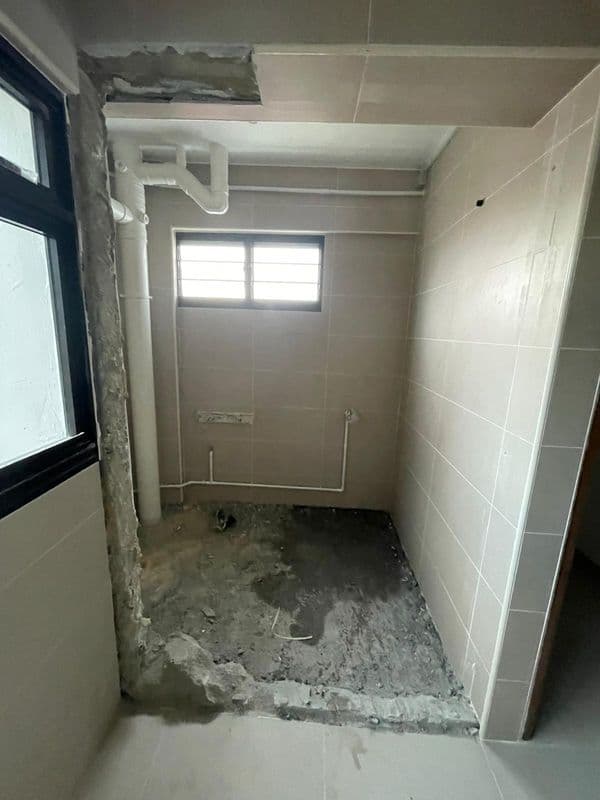
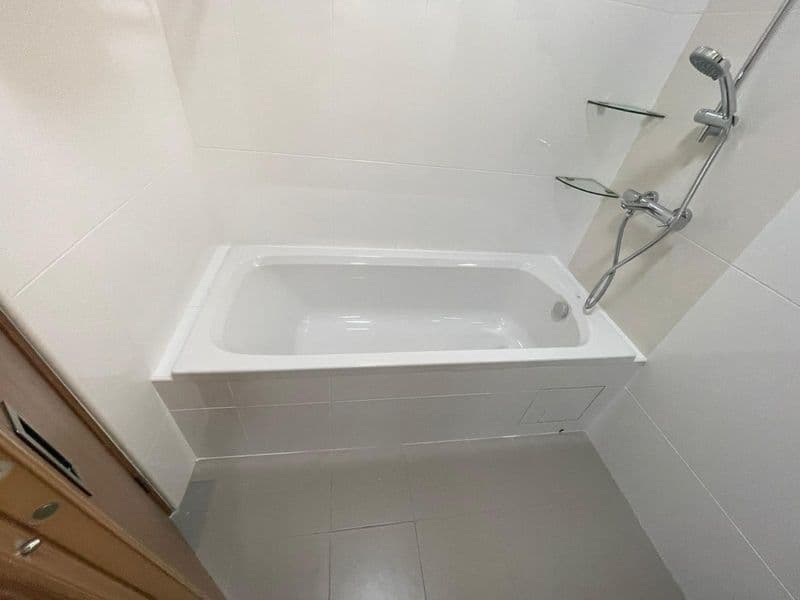
- In the bathrooms, we had to breach tiled walls and the bathtub surround to reveal plumbing chases without compromising the adjacent plastered surfaces that needed to remain intact for the next phase.
Coordinated Service Re‑routing in Confined Spaces
- Existing PVC waste and supply lines were interwoven with tile and wall finishes. Extracting and re‑positioning these pipes demanded careful sequencing to avoid damage to the newly exposed conduits and to maintain the pressure‑tested integrity of the wet area.
- The vertical pipe stubs and elbow runs had to be accurately trimmed and capped before new routes could be laid, all within the limited clearance of a typical Singapore bathroom.
Comprehensive Floor & Tile Demolition Without Spillage
- Removing cement‑tiled flooring in the bathrooms and the kitchen generated substantial dust and debris. We needed to break out the tiles and screed in sections, ensuring that loose material stayed within the work zone and did not migrate to neighboring units.
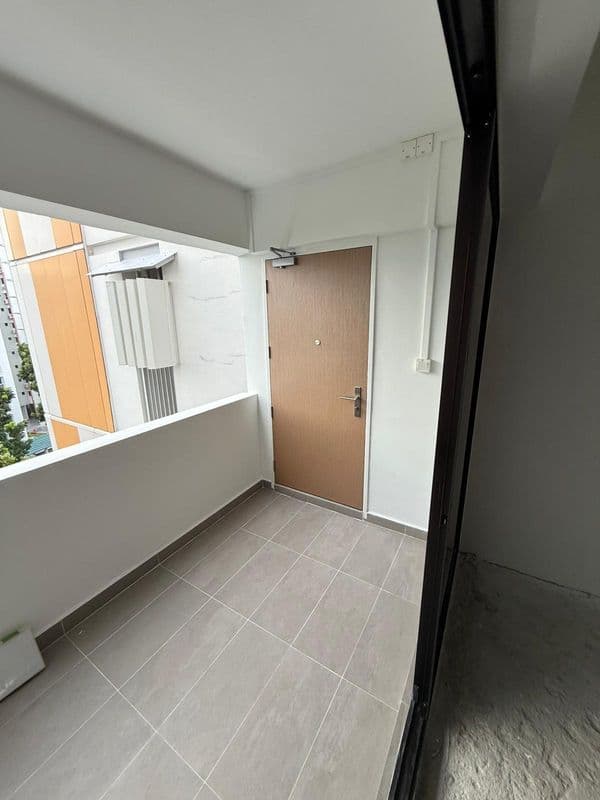
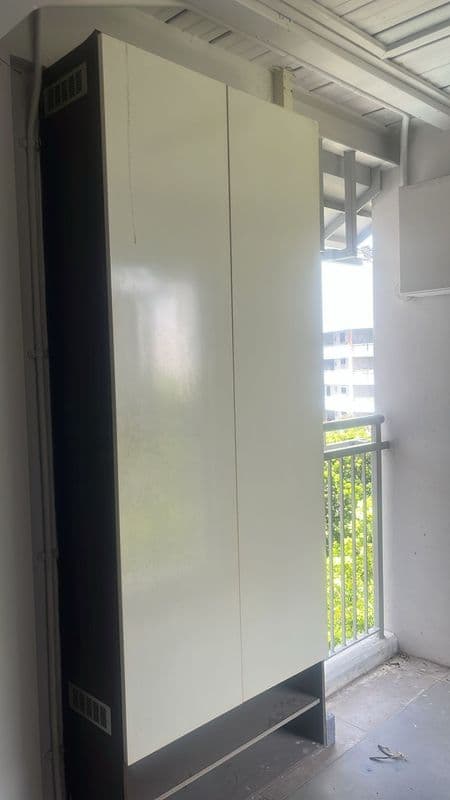
- The balcony/utility corridor required a clean transition from tiled floor to the newly exposed concrete slab, demanding meticulous debris collection and floor protection for subsequent works.
Dismantling Built‑in Kitchen Carpentry and Door Assemblies
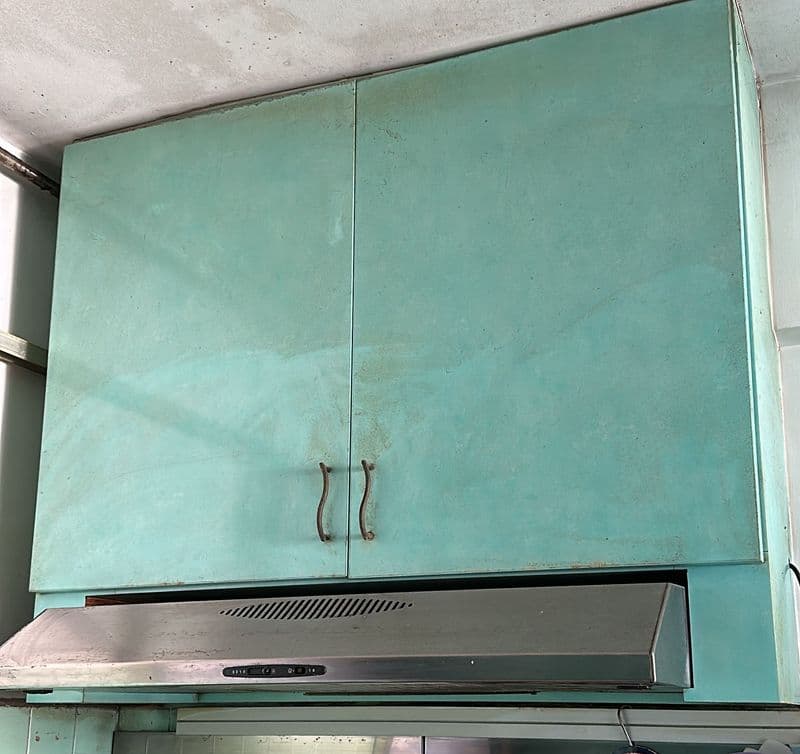
- The kitchen’s custom cabinets and the interior door frames were tightly fitted, often anchored into the wall substrate. Extracting these elements without damaging the surrounding plaster or newly hacked walls required a combination of precision cutting and controlled demolition techniques.
- The door removal also involved safeguarding the surrounding skirting and floor finishes that were slated for reuse in the final fit‑out.
Project Considerations
Dust Control & Containment – Although the site’s layout limited the use of full‑room plastic sheeting, we deployed localized dust barriers, floor protection sheets, and continuous misting to suppress particulate spread. All debris was promptly swept into sealed bags and removed via a dedicated waste chute to prevent cross‑contamination of adjacent units.
Protection of Non‑Demolition Areas – Areas not slated for demolition—such as the living room wall finishes and the balcony’s intact tiles—were shielded with temporary timber panels and protective film. This approach ensured that the client’s existing finishes remained pristine throughout the strip‑out.
Structural Safety & Service Integrity – Prior to any wall hacking, we conducted on‑site structural assessments and utility locate surveys. All load‑bearing walls were marked, and temporary supports were installed where necessary. Plumbing and electrical services were isolated and capped before demolition commenced, eliminating the risk of accidental service interruption.
Communication & Documentation – Throughout the project
Project Gallery