Kitchen Dismantling and Removal Services for Residential at Toa Payoh
Services Provided
Project Overview
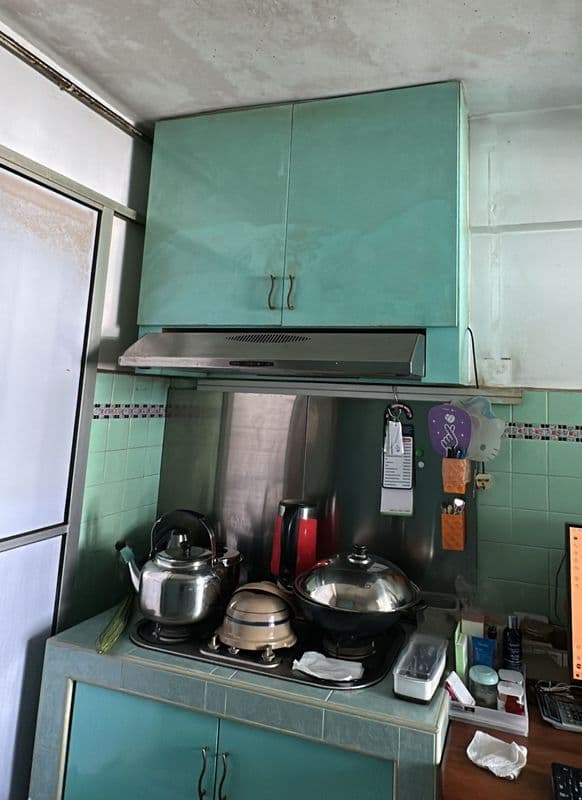
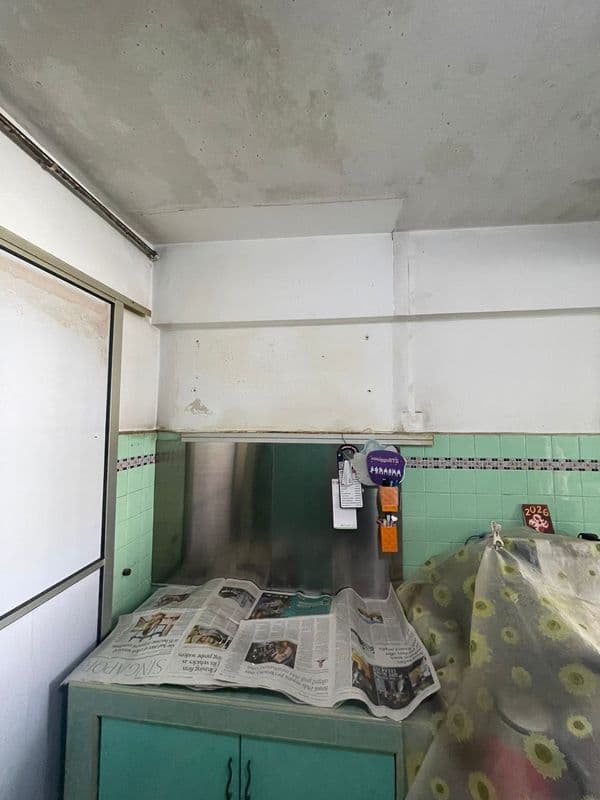
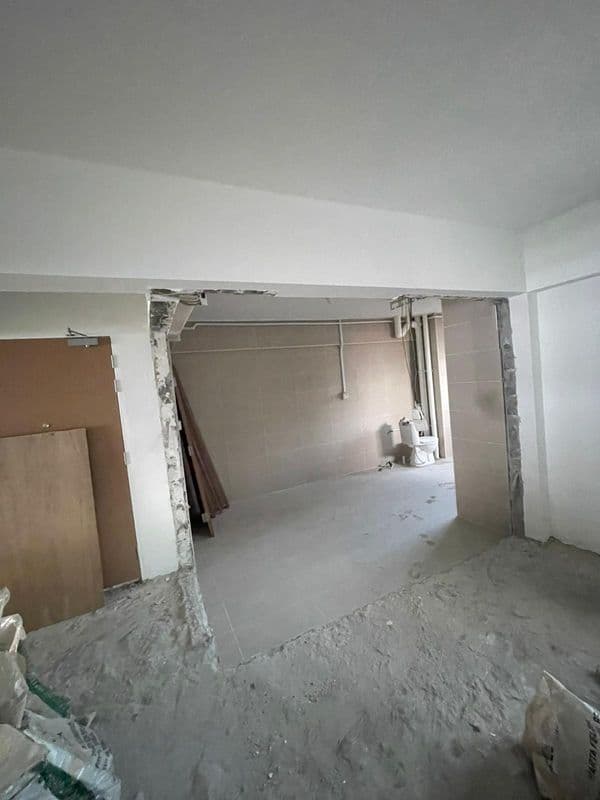
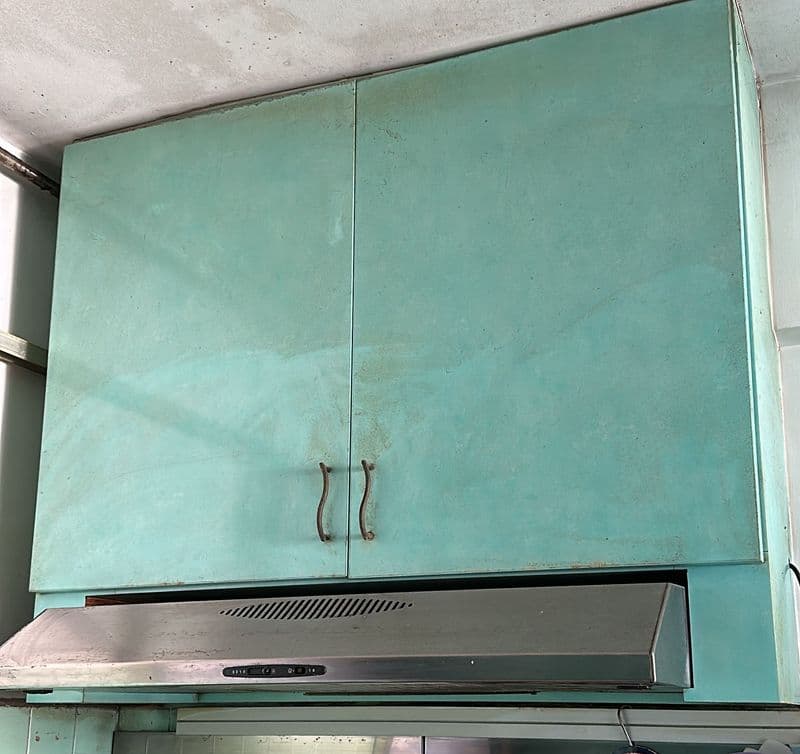
The client, a homeowner in Singapore, engaged us to completely strip out the existing kitchen built‑ins and prepare the space for a full redesign. The scope covered the dismantling and removal of all upper and lower cabinetry, the built‑in hood unit, countertop finishes, and associated service penetrations. Our team performed the work in a tightly controlled residential environment, ensuring that the surrounding living areas remained clean, safe, and undisturbed throughout the demolition phase. By exposing the structural walls and service lines, we created a clean, flat substrate ready for the next stage of the interior fit‑out.
Technical Challenges
Complex Service Routing and Conduit Management
The kitchen housed multiple concealed services—ventilation ducts, water supply lines, and electrical conduits—running behind the cabinetry and within the wall cavity. During demolition we needed to identify, protect, and safely disconnect these services while preserving the integrity of the surrounding structure. The presence of vertical pipe stubs required careful handling to avoid accidental damage and to ensure they could be seamlessly re‑routed later.Selective Demolition in a High‑Density Residential Block
Operating in a multi‑unit building demanded a demolition method that limited dust generation and vibration. We had to remove cabinetry and wall finishes down to the substrate without creating debris that could affect neighboring units. This required precise cutting, systematic dismantling, and the use of containment barriers to keep the work zone isolated.Preservation of Existing Non‑Demolition Elements
The kitchen’s countertop, appliances, and portions of the backsplash were to remain in place until the final hand‑over. Maintaining the integrity of these elements while removing surrounding built‑ins called for meticulous sequencing and protective measures, such as covering work surfaces with protective sheeting and using masking panels to shield intact finishes.Safe Removal of a Built‑In Hood and Chimney Assembly
The integrated hood unit was anchored to both cabinetry and the wall structure. Its removal required coordinated disassembly of the surrounding cabinets, careful detachment of the ventilation ductwork, and support to prevent any sudden collapse that could damage the wall or create safety hazards for the crew.
Project Considerations
Dust Control & Containment
We installed full‑height green masking boards and localized protective sheeting around the demolition zones. All exposed floor areas were covered with disposable paper and plastic sheets, and dust extraction units were positioned to capture particulates at the source. This strategy ensured that dust remained confined to the work area and did not infiltrate adjacent living spaces.Protection of Adjacent Units
Prior to commencing works, we communicated the schedule and mitigation plan to neighboring residents via WhatsApp, providing real‑time updates and addressing any concerns. Noise‑reducing tools and low‑impact demolition techniques were employed to minimise vibration and acoustic disturbance.Safety & Structural Integrity
Every cabinet and built‑in element was dismantled using a systematic, step‑by‑step approach. Structural supports were temporarily installed where needed, and all service connections were clearly labelled, isolated, and capped before removal. This prevented accidental service disruption and ensured a safe environment for both our crew and the occupants.Clear Documentation & Communication
Progress was documented with daily photos and written reports shared through WhatsApp with the homeowner and the interior designer. This transparent communication allowed swift decision‑making on any unforeseen conditions, such as hidden corrosion on pipe stubs, and kept the project on schedule.
Results
The kitchen demolition was completed ahead of the agreed timeline, delivering a pristine, fully exposed wall and floor surface ready for the subsequent fit‑out. All cabinetry, the built‑in hood, and associated fixtures were removed cleanly, with no damage to the remaining countertop or adjacent walls. Our dust‑control measures succeeded in keeping neighboring units free from contamination, and the client reported minimal disruption to their daily routine.
The meticulous dismantling work provided the interior designer with an exact, flat substrate, eliminating the need for corrective work later on. The homeowner expressed confidence in the quality of workmanship and praised the proactive communication throughout the project. By leveraging our specialised expertise in built‑in carpentry and kitchen removal, we set a solid foundation for the next phase of the renovation, reinforcing HackingSG’s reputation for precision,
Project Gallery