Bathtub and Bathroom Fixture Strip Out for residential Condo at Geylang
Services Provided
Project Overview
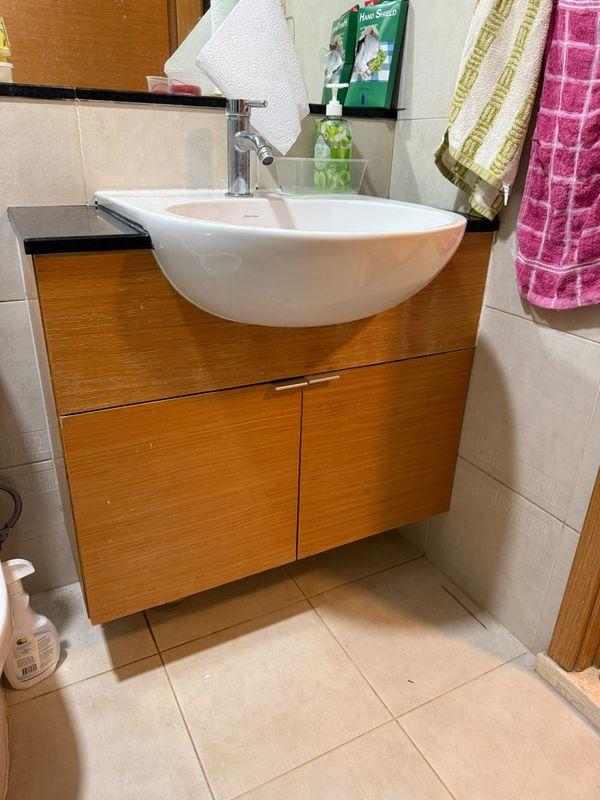
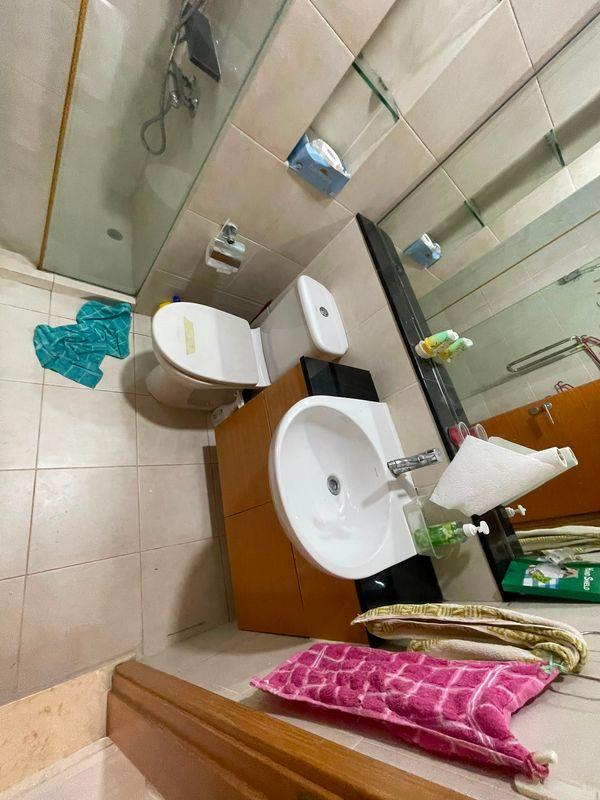
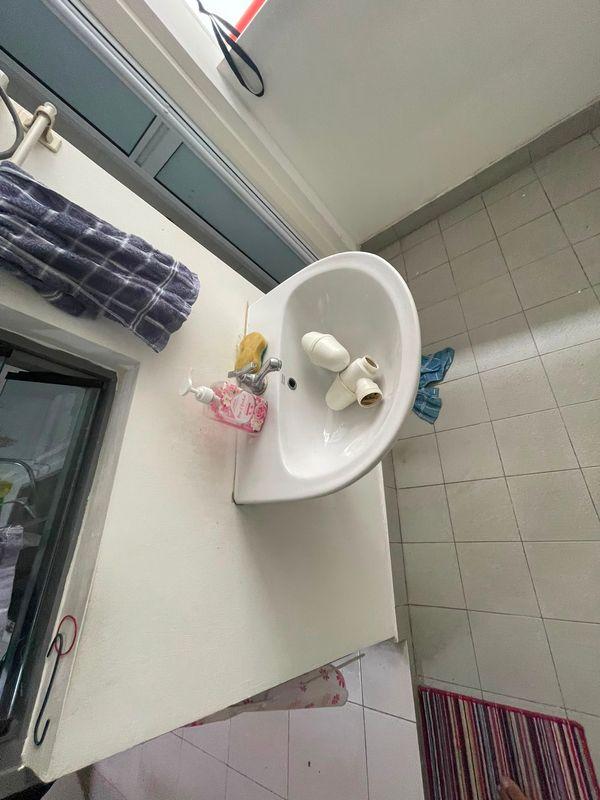
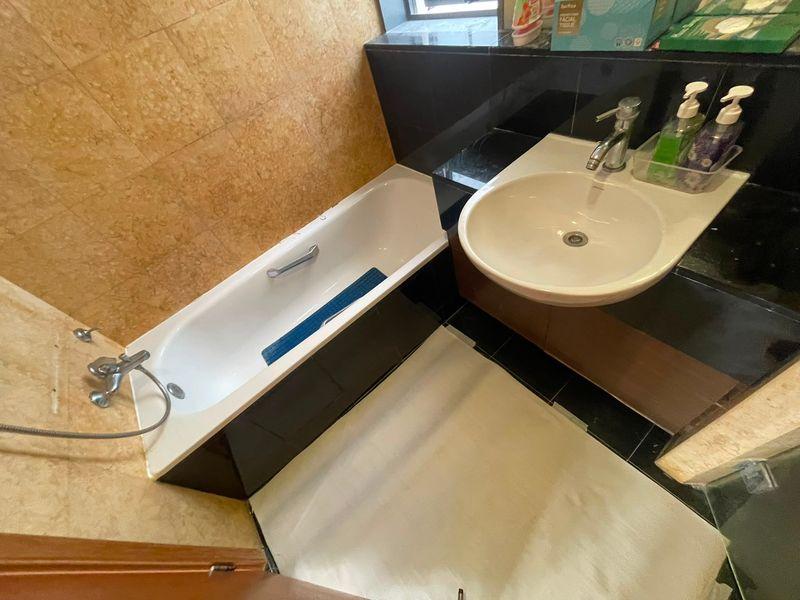
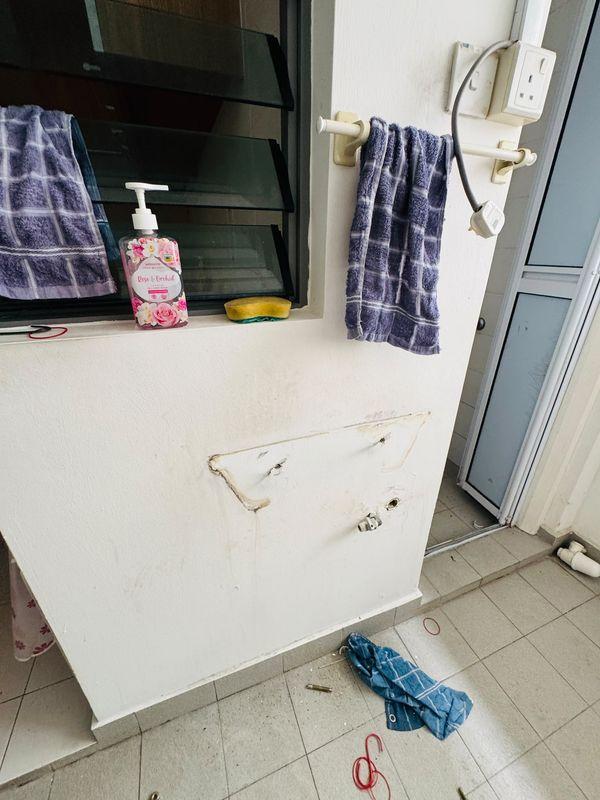
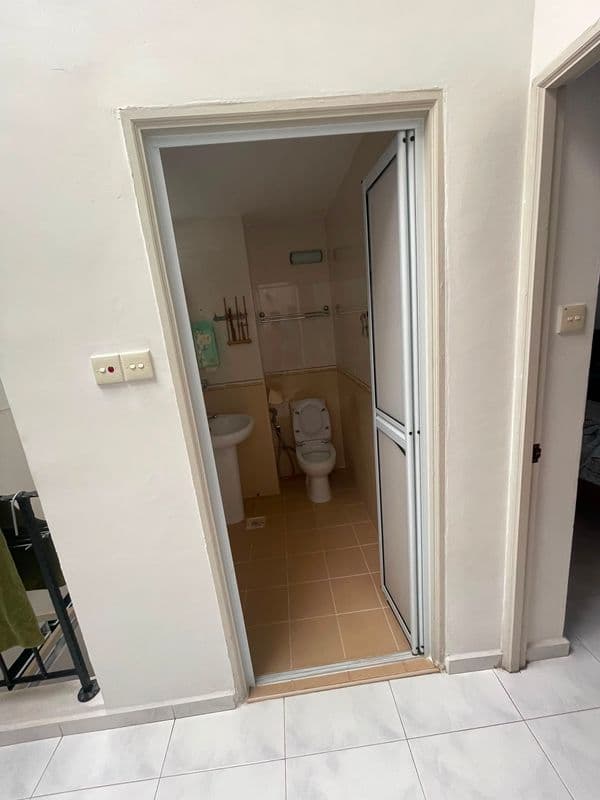
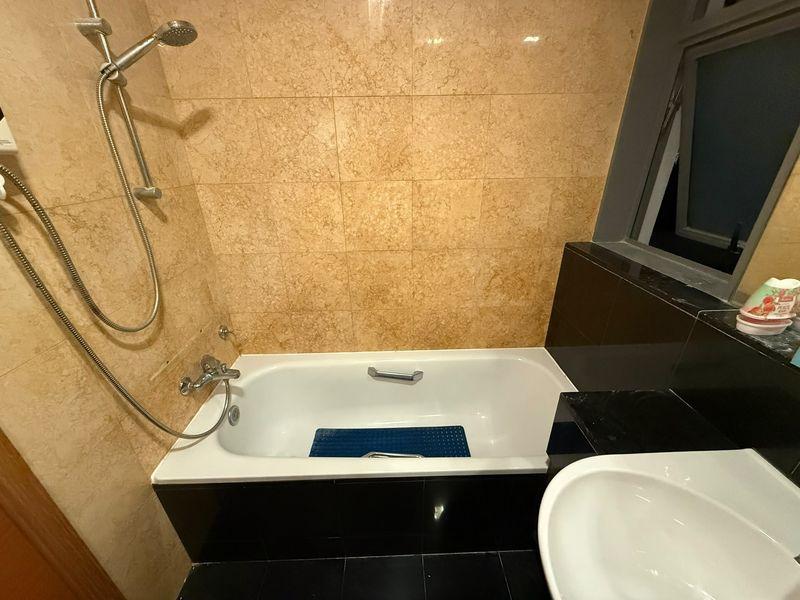
The client, an owner of a high‑rise condominium in Singapore, engaged us to perform a full fixture strip‑out across the master bathroom, the common bathroom, and the service yard. The scope required the removal of the bathtub, basin and built‑in cabinet in both wet rooms, the washing basin located in the service yard, and the toilet bowls in the master and common bathrooms.
Our team delivered a coordinated demolition that combined Bathroom Tiles & Bathtub Hacking Services with Built‑in Carpentry, Cabinet, Kitchen Dismantling & Removal Services. By focusing on precise fixture extraction while preserving the surrounding tiled walls and floors, we prepared the units for the client’s upcoming renovation phase without compromising the integrity of the condo’s structure or the comfort of neighboring units.
Technical Challenges
Limited Access in a High‑Rise Condo
The bathrooms are situated within a compact condo layout, with narrow doorways and limited maneuvering space for demolition tools and waste removal. We had to plan the sequence of fixture removal carefully, using low‑profile hand tools and modular waste containers to navigate the confined corridors without obstructing resident traffic.Preserving Existing Tilework During Bathtub Hacking
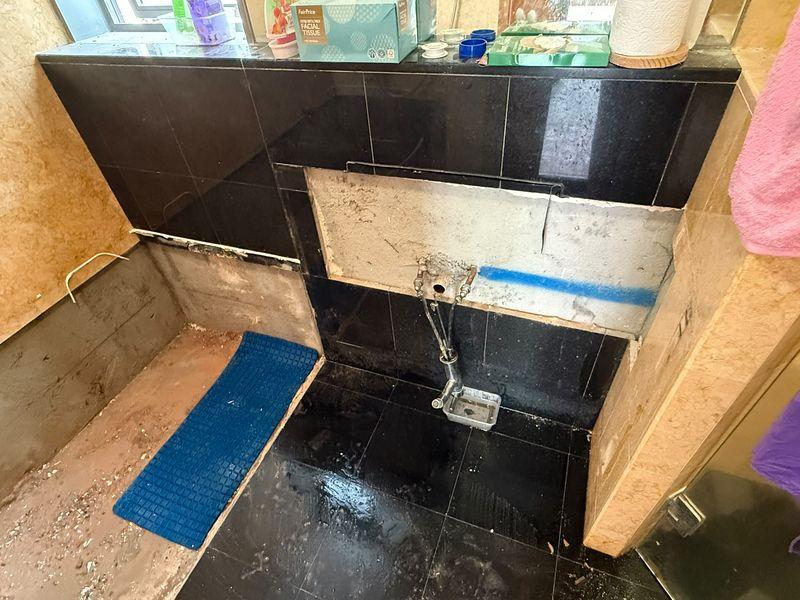
The bathtub removal required cutting through the surrounding wall tiles and the bathtub surround without cracking adjacent tiles. This demanded precise hand‑saw and rotary‑hammer work, supported by protective masking and dust‑capture sheets to keep the rest of the tiled wall and floor pristine.Coordinated Dismantling of Built‑in Cabinetry and Plumbing
The cabinets were anchored to the wall and integrated with the basin plumbing. Disconnecting the water supply, drainage, and mounting hardware while keeping the surrounding wall finishes intact required a systematic approach: first isolating the plumbing, then unbolting the cabinetry, and finally removing the units in sections to avoid stress on the tiled substrate.Managing Waste from Multiple Wet Areas Simultaneously
With bathtub, two toilet bowls, three basins, and cabinetry all being removed, the volume of debris (tiles, porcelain, cabinetry wood, and metal fittings) was significant. We implemented a staged waste collection system, using sealed bags for porcelain and dedicated containers for wood, ensuring that no material contaminated other units or the common areas.
Project Considerations
Dust Control & Containment
We deployed self‑adhesive blue painter’s tape to seal all demolition openings and laid heavy‑duty floor protection sheets around each work zone. Portable HEPA filtration units were positioned to capture fine dust generated during tile hacking, safeguarding air quality for both the occupants and adjacent units.Protection of Non‑Demolition Areas
All adjoining walls, doors, and fixtures not included in the scope were wrapped in protective sheeting. This prevented accidental scratches, chip marks, or water ingress during the removal of the bathtub and basins.Minimal Disruption to Neighbours
Working hours were scheduled to align with the building’s quiet‑hours policy. Waste removal carts were escorted through service lifts during off‑peak times, and we maintained clear communication with the building management and the homeowners via WhatsApp updates, providing daily progress snapshots and next‑step notifications.Safety & Compliance
Prior to demolition, we isolated the water supply and verified the shut‑off of all drainage lines. All team members wore PPE appropriate for wet‑area demolition, and we adhered to Singapore’s building safety regulations concerning confined‑space work and waste disposal.
Results
The project was completed on schedule, with all targeted fixtures fully removed and the underlying tile and wall finishes left undamaged. Specific outcomes include:
- Clean, Ready‑to‑Renovate Wet Areas – The bathtub bay, both bathroom basins, and the two
Project Gallery